
Our
Blog

Bone Health
Broken Wrist What A Fracture Says About Your Health A distal radius fracture (DRF) or a broken wrist is one of the most common injuries in...

Pain
Pain Myths that Keep you Stuck Pain is confusing. Most of us think that if something hurts, it must be damaged. But modern research shows...
Chronic pain
Movement as Medicine: A Guide to Taming Chronic Pain Through Exercise In our modern world, sedentary lifestyles have become so prevalent...
Ankle sprains
Introduction We’ve all been there: stepping off a curb or pivoting too sharply, and suddenly—your ankle rolls. In that split second, a...

The Hidden Costs of Insoles. Reevaluating the Management of Flat Feet and Addressing the Real Causes of Lower Limb Pain
Pes planus, more commonly known as flat feet, is a term that has been overly used in the healthcare scenario very often overlooking the...

Runners Shin Splints
What are shin splints? Have you ever felt pain along the front of your shinbone (tibia) that happens during or after exercise? We refer to...

Elbow Pain: Understanding Tennis Elbow and Golfer’s Elbow
Elbow pain is a frequent complaint among adults, significantly affecting daily activities such as lifting, gripping, typing, or even...
The dangers of sitting for too long at your desk
Sitting at a desk for extended periods of time, can cause significant discomfort and pain in the neck, upper and lower back. Let us...

The Importance of High Intensity Resistance Training in Menopausal & Postmenopausal Women with Osteoporosis
Osteoporosis is a progressive bone disorder characterised by loss of bone mass and strength which significantly increases the risk of...
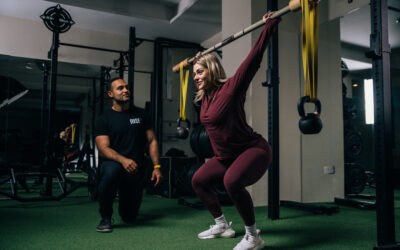
5 Benefits and Considerations of Strength and Conditioning in Young Athletes
Strength and conditioning within the youth population is an ever growing industry. Parents, teachers and coaches have realised that long term athletic development can be enhanced and improved through youth participation in S&C. This comes after years of belief that strength training could have negative effects on the growth rate of adolescents due to damage to growth plates and the bones. In contrast, research has repeatedly proven that correct strength and conditioning training poses no greater risks than traditional sports practice (in fact it can be safer), and has no negative effects on the rate of growth of an individual, which is determined solely by genetic disposition.