
Broken
Wrist
What A Fracture Says About Your Health
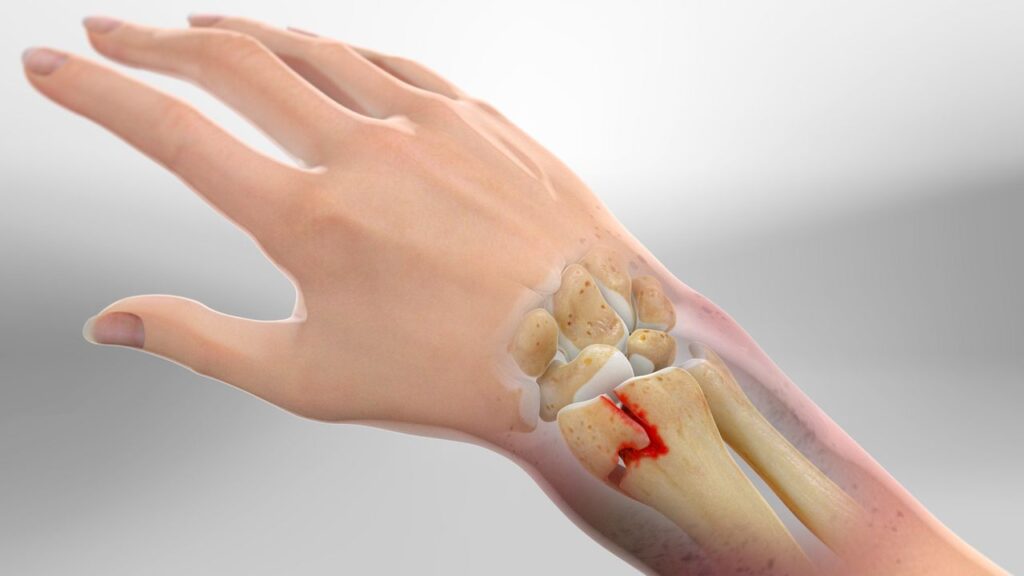
A distal radius fracture (DRF) or a broken wrist is one of the most common injuries in individuals over 50 years old, especially after a fall. While many people focus on healing the bone and getting back to normal movement, there’s another important piece of the puzzle that often gets overlooked: fractures are often the first warning sign that bones may be weaker then they should be, potentially indicated that osteoporosis may be present.
The Good News? People with AND without osteoporosis can both recover well with proper care.
Different rehab approaches can be used to provide effective rehab that is suitable for each individual patient. Most importantly, having osteoporosis does not mean you’ll have worse outcomes, but it does highlight the need to address bone health during recovery to prevent further injuries down the road.
Ways of Looking Into Your Bone Health:
- A bone density scan (DEXA)
- Discussing calcium and vitamin D intake
- Looking at exercise habits, especially weight-bearing and strength training
- Talking to your physiotherapist about fall prevention
Taking these steps can help reduce your risk of future fractures, especially in areas like the hip or spine which are other common fracture site but can have more serious consequences.
Physiotherapist: Your Partner In Recovery
Seeing a physiotherapist can help you regain movement and strength in your wrist and hand while also Improving confidence with daily activities, such as fine motor skills. Additionally, physiotherapy can help work on balance and coordination to help prevent future falls which could lead to another or worse injury. Exercises are designed increase bone strength and are designed to be safe to at home.
How Do Exercises Help Bone Strength?
Every time you take part in weight-bearing activities such as walking, lifting weights, or dancing, you stimulate your bones to become stronger. The physical stress signals specialised bone cells to lay down more minerals, increasing both bone density and bone strength. Exercise also strengthens the muscles surrounding your bones, improving stability and support. By combining strength training with balance exercises, you’re building the coordination and confidence needed to stay mobile, independent, and resilient at every stage of life.
Stages of Recovery Post Fracture:
- Phase 1: Inflammation (Days 1–7) – “The Cleaning Crew”
Your body forms a blood clot around the broken bone. This clot brings healing cells to the area and starts the repair process. - Phase 2: Soft Callus (Weeks 2–3) – “The First Connection”
The blood clot is gradually replaced with soft cartilage (called a soft callus), which begins to hold the broken bone together and improve stability. - Phase 3: Hard Callus (Weeks 4–12) – “Building the Bridge”
The soft cartilage is replaced with new hard bone, creating a stronger bridge between the broken ends of the bone. - Phase 4: Remodelling (6–12+ Months) – “Strengthening the Bone”
The body reshapes the new bone, removes any excess bone, and strengthens it so it can cope with everyday activities and loading.